Tips for Choosing the Perfect Fishing Rod
Published: December 2025
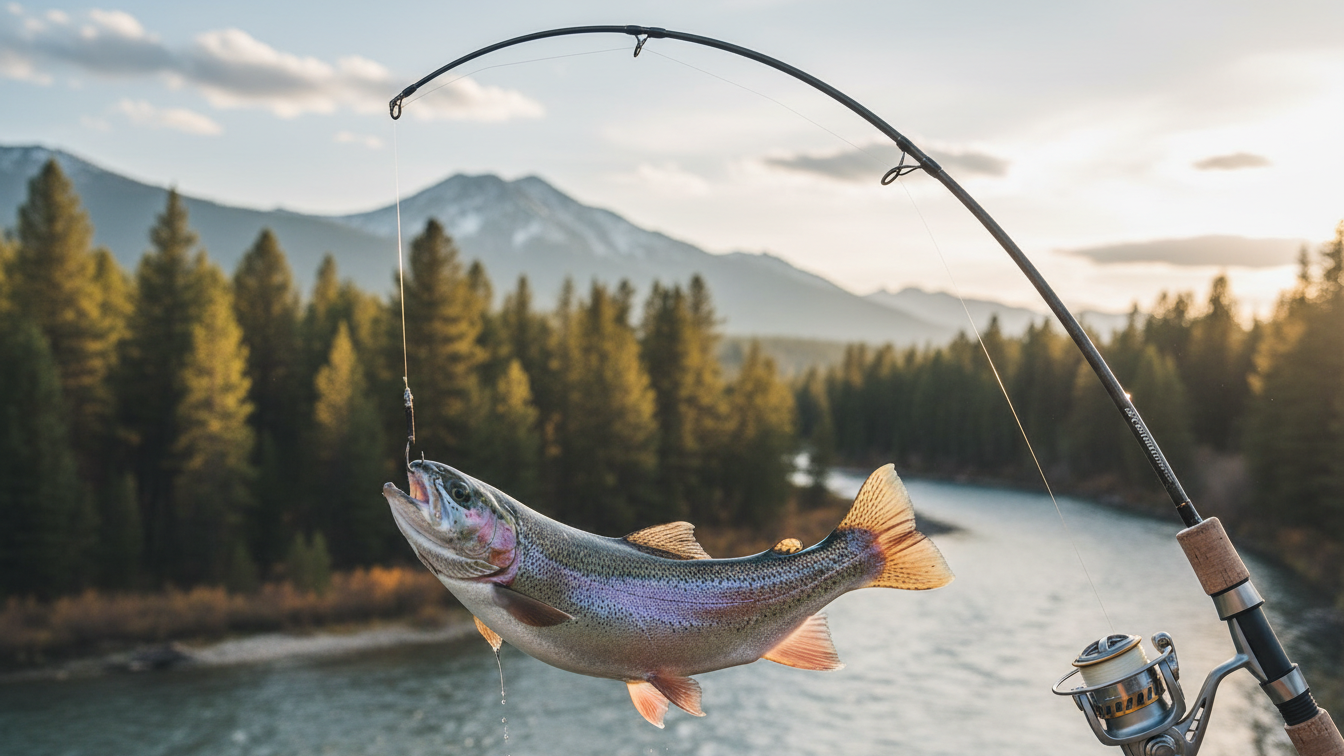
Choosing the right fishing rod is crucial for a successful and enjoyable fishing experience.
With so many options available in UK tackle shops, it can be overwhelming to make the right choice.
This guide will help you select the perfect rod for your fishing needs.
Understand Your Fishing Style
Before purchasing a rod, consider what type of fishing you'll be doing most often. Are you fishing
in rivers, lakes, or coastal waters? Will you be targeting coarse fish, game fish, or sea fish?
Each fishing style requires different rod characteristics.
River fishing often requires lighter, more sensitive rods for detecting subtle bites. Lake fishing
may call for longer rods to achieve greater casting distance. Sea fishing demands sturdy,
corrosion-resistant rods that can handle saltwater conditions.
Pro Tip:
If you're just starting out, a versatile all-purpose rod is a great investment. You can always add
specialist rods to your collection as you develop your skills and discover your preferred fishing style.
Rod Length Matters
Rod length significantly affects casting distance and control. For UK fishing, here's what you need to know:
- 6-8 feet: Ideal for small streams and tight spaces, perfect for trout fishing in narrow rivers. These compact rods offer excellent control in confined areas.
- 9-11 feet: Versatile length for river and lake fishing, good for beginners. This range provides a balance between casting distance and maneuverability.
- 12-13 feet: Best for long-distance casting and match fishing. Popular for carp and specimen fishing where distance is important.
- 14+ feet: Specialized for long-range feeder and carp fishing. These longer rods excel at casting heavy weights to distant spots.
Action and Power
The rod's action refers to where it bends when pressure is applied:
- Fast Action: Only the top third bends - better for sensitivity and hook setting. Ideal for fishing with lures and when you need to feel subtle bites.
- Medium Action: Top half bends - versatile for most fishing situations. A great all-around choice that balances sensitivity with fish-playing ability.
- Slow Action: Most of the rod bends - better for playing fish and absorbing shock. Excellent for light lines and delicate presentations.
Power rating (light, medium, heavy) indicates the rod's strength. Match the power to your target
species - lighter for small fish like roach, heavier for pike and carp. Consider the weight of
your typical bait and the size of fish you expect to catch.
Material Considerations
Modern fishing rods are typically made from:
- Carbon Fibre: Lightweight, sensitive, and strong - the most popular choice today. Offers excellent sensitivity and durability, though can be more expensive. Perfect for most UK fishing conditions.
- Fibreglass: Durable and forgiving - great for beginners or heavy-duty fishing. More flexible and less likely to break if mishandled, but heavier and less sensitive than carbon fibre.
- Composite: Combination of materials offering balance between flexibility and strength. Often used in mid-range rods to provide the best of both worlds.
Rod Materials Comparison
| Material |
Weight |
Sensitivity |
Durability |
Price Range |
Best For |
| Carbon Fibre |
Light |
Excellent |
High |
£50-£500+ |
All-around fishing |
| Fibreglass |
Heavy |
Moderate |
Very High |
£20-£150 |
Beginners, heavy duty |
| Composite |
Medium |
Good |
High |
£40-£300 |
Mid-range fishing |
| Bamboo |
Medium |
Excellent |
Moderate |
£200-£1000+ |
Fly fishing, traditional |
Handle and Grip
Comfort is key during long fishing sessions. Consider:
- Cork Handles: Offer excellent grip even when wet, and they're comfortable for extended use. Cork also helps reduce hand fatigue.
- EVA Foam Handles: Durable and provide good cushioning. They're easier to clean and maintain than cork but can become slippery when wet.
- Handle Length: Should match your casting style - longer handles for two-handed casting, shorter for single-handed. Consider your height and casting technique when choosing.
Expert Advice:
Visit your local tackle shop and hold different rods in your hands. The rod that feels right in the
shop will likely feel right on the water. Don't hesitate to ask experienced staff for recommendations
based on your fishing goals and budget. Many shops allow you to test rods before purchase.
Rod Selection by Fishing Type
| Fishing Type |
Recommended Length |
Action |
Power |
Line Weight |
| River Trout |
6-9 feet |
Fast |
Light - Medium |
2-6 lbs |
| Lake Coarse |
10-13 feet |
Medium |
Medium |
4-10 lbs |
| Carp Fishing |
12-13 feet |
Medium - Fast |
Medium - Heavy |
10-15 lbs |
| Pike Fishing |
9-11 feet |
Fast |
Medium - Heavy |
12-20 lbs |
| Sea Fishing |
9-12 feet |
Fast |
Heavy |
15-30 lbs |
| Fly Fishing |
8-10 feet |
Medium - Fast |
Light - Medium |
3-7 weight |
Rod Features Explained
Rod action describes where the rod flexes when pressure is applied:
- Fast Action: Flexes in the top 25-30% of the rod. Best for long casts and quick hook sets. Ideal for lures and bait fishing.
- Medium Action: Flexes in the top 50% of the rod. Versatile and forgiving. Great for general purpose fishing.
- Slow Action: Flexes throughout most of the rod. Excellent for playing fish and protecting light lines. Popular in fly fishing.
Rod power (also called "weight") indicates the rod's strength and the size of fish it can handle:
- Ultra Light: Small panfish, trout up to 2 lbs
- Light: Small to medium fish, 2-5 lbs
- Medium: Medium to large fish, 5-15 lbs - most versatile
- Medium Heavy: Large fish, 15-25 lbs
- Heavy: Very large fish, 25+ lbs
Line guides are the rings along your rod that guide the line. Types include:
- Ceramic Guides: Smooth, reduce line friction, best for monofilament and braid
- Stainless Steel: Durable, corrosion-resistant, good for saltwater
- Titanium Guides: Lightweight and strong, premium option
- Fuji Guides: High-quality brand, known for durability
Look for guides that are properly aligned and have smooth, polished interiors to prevent line damage.
Two-Piece Rods:
- ✅ Easier to transport and store
- ✅ More convenient for travel
- ❌ Slightly heavier due to ferrule
- ❌ May have slight sensitivity loss at joint
One-Piece Rods:
- ✅ Maximum sensitivity and performance
- ✅ Lighter weight
- ❌ Harder to transport
- ❌ Requires longer storage space
Budget and Quality
While expensive rods offer premium features, you don't need to break the bank for a good rod.
Many UK tackle manufacturers offer excellent mid-range rods that provide great value. Look for:
- Quality Guides: Ceramic or stainless steel guides that won't damage your line. Check that they're properly aligned and smoothly finished.
- Solid Reel Seat: Holds securely without wobbling. Should feel firm when your reel is attached.
- Warranty: Manufacturer's warranty or guarantee provides peace of mind. Most quality rods come with at least a one-year warranty.
- Reviews: Check reviews from other UK anglers to see real-world performance. Online forums and tackle shop staff are excellent resources.
Maintenance Tips
Once you've chosen your rod, proper care will extend its lifespan:
- Rinse After Use: Rinse with fresh water after saltwater fishing to prevent corrosion and damage to guides.
- Proper Storage: Store in a rod tube or rack to prevent damage. Avoid leaning rods against walls where they can be knocked over.
- Check Guides: Regularly inspect guides for wear or damage that could fray your line. Replace damaged guides promptly.
- Line Management: Don't store rods with line under tension, as this can cause the rod to take a set over time.
Remember, the perfect rod is one that suits your fishing style, feels comfortable in your hands,
and fits within your budget. Take your time choosing, and you'll be rewarded with many successful
fishing trips ahead. Happy fishing!
Back to Home